What makes an animation character good?
- A good character design
- effectively communicates the character's personality,
- role,
- and backstory visually
- while being memorable and recognizable.
- Key principles include
- a strong silhouette,
- effective use of shapes and color,
- exaggeration,
- and relevance to the story and audience.
- To create simple yet artistic and compelling characters, you should focus on
- strong foundational art principles like shape language, color theory, and texturing, rather than just geometric complexity.
- A good animated character is not just a strong design but one that comes alive through movement, personality, and emotional connection.
- strong foundational art principles like shape language, color theory, and texturing, rather than just geometric complexity.
- Key Elements of stylized and believable characters
- How to achieve a balance between aesthetic appeal and a convincing, immersive presence?
- Strong Shape Language: Simple models often use clear shapes (e.g., a square house, a round tree trunk).
- These distinct silhouettes make the models easy to read and visually appealing, even with simple geometric forms or fewer polygons (in 3D animation).
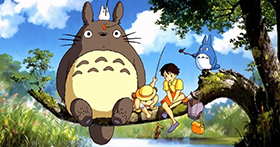
- Hand-Painted Textures: Rather than relying solely on realistic photo textures (e.g., stock photos), artists create unique, hand-painted textures to give the models a distinct, and artistic feel.
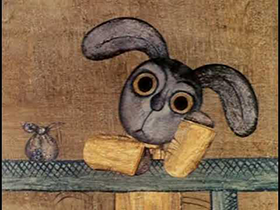
- Purposeful Details: Instead of adding a lot of micro-details, artists strategically place details where they matter most, using things like normal maps or bump maps to simulate surface variations and wear.
- This keeps the charcter "simple" while still looking high-quality.
- Exaggerated Proportions: Stylized models often feature exaggerated proportions, which give them a strong personality and charm, making them artistic and memorable.

- Strong Shape Language: Simple models often use clear shapes (e.g., a square house, a round tree trunk).
- How to achieve a balance between aesthetic appeal and a convincing, immersive presence?
- Visual Clarity and Recognition
- Distinct Silhouette
- A character should have a distinct and instantly recognizable silhouette.
- This ensures readability in complex scenes and helps with instant recognition.
- Think of characters like Mickey Mouse or Batman; their shapes are iconic.
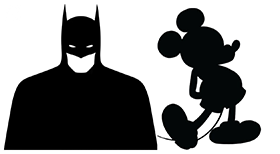
- A character should have a distinct and instantly recognizable silhouette.
- Shape Language
- Using basic geometric shapes (circles, squares, triangles) helps convey personality traits.
- Using basic geometric shapes (circles, squares, triangles) helps convey personality traits.
- Circles tend to suggest friendliness, innocence, or something cuddly.
- Squares imply stability, strength, or discipline.
- Triangles/Angular shapes often hint at cunningness, and danger.

- Exaggeration
- Emphasizing unique features, like large eyes for innocence or a bulky physique for strength, can help the character's personality shine through and make them more memorable.
- Emphasizing unique features, like large eyes for innocence or a bulky physique for strength, can help the character's personality shine through and make them more memorable.
- Distinct Silhouette
- Storytelling and Personality
- Personality Reflected in Design:
- Every visual choice, from posture to clothing, should align with the character's personality and attitude.
- For example, a shy character might have a slouching posture, while a confident one would stand tall.
- Every visual choice, from posture to clothing, should align with the character's personality and attitude.
- Backstory Integration:
- Design elements should hint at the character's past experiences or cultural background.
- Scars, worn-out clothing, or a specific accessory can add depth and context without needing explicit dialogue.
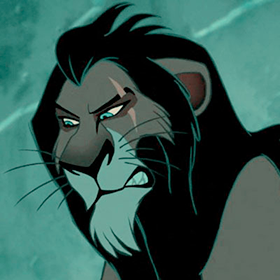
- Design elements should hint at the character's past experiences or cultural background.
- Facial Expressions:
- A range of authentic facial expressions helps the audience connect emotionally with the character.
- Understanding human anatomy and how muscles move is important for creating believable expressions.
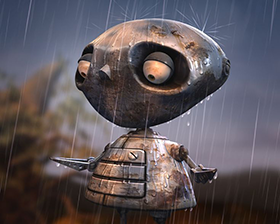
- A range of authentic facial expressions helps the audience connect emotionally with the character.
- Personality Reflected in Design:
- Technical and Contextual Considerations
- Color Palette:
- A well-chosen, often limited, color palette can evoke specific emotions and reinforce personality (e.g., bright colors for cheerful, muted tones for mysterious).
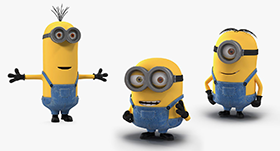
- A well-chosen, often limited, color palette can evoke specific emotions and reinforce personality (e.g., bright colors for cheerful, muted tones for mysterious).
- Target Audience and Style:
- The design and animation style must be appropriate for the project's target audience and the intended medium (e.g., a simple, clean design for a TV series versus a detailed one for a feature film.
- The design and animation style must be appropriate for the project's target audience and the intended medium (e.g., a simple, clean design for a TV series versus a detailed one for a feature film.
- Iteration and Feedback:
- Great designs rarely happen on the first try. Sketching multiple variations and getting feedback from others are crucial steps in refining the design until it is as effective as possible.
- Great designs rarely happen on the first try. Sketching multiple variations and getting feedback from others are crucial steps in refining the design until it is as effective as possible.
- Color Palette:
- Brought to Life through Animation Principles.
The core elements of a good character in animation depend heavily on how they move and express themselves.
- Expressiveness (Poses and Timing):
- Characters need a wide range of facial expressions and dynamic, clear poses to convey emotions effectively. The timing and spacing of actions is crucial for giving the character weight, personality, and mood.
- Characters need a wide range of facial expressions and dynamic, clear poses to convey emotions effectively. The timing and spacing of actions is crucial for giving the character weight, personality, and mood.
- Believable Movement (Body Mechanics):
- Even in a cartoony style, the character's movements must feel "buyable" or authentic to their own internal logic and physics.
- Principles like "squash and stretch" and "follow through and overlapping action" give the character a sense of weight, flexibility, and the illusion of life.
- Even in a cartoony style, the character's movements must feel "buyable" or authentic to their own internal logic and physics.
- Performance and Appeal:
- The character's movement should reflect their specific personality and body language, not just generic motion.
- This "appeal" is a form of charisma that makes the viewer interested in the character, whether they are a hero or a villain.
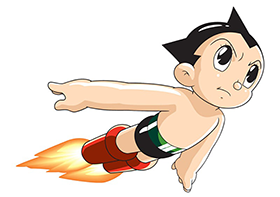
- The character's movement should reflect their specific personality and body language, not just generic motion.
- Expressiveness (Poses and Timing):
- Emotional Connection and Storytelling.
Ultimately, a good character is one that the audience can connect with on an emotional level.
- Relatability:
- The audience should be able to sympathize or empathize with the character's motivations, flaws, and experiences.
- The audience should be able to sympathize or empathize with the character's motivations, flaws, and experiences.
- Story Integration:
The character’s design and actions should fit the story, help move it forward, and show meaningful growth and change over time.
- Voice and Dialogue:
- Talented voice acting and well-crafted dialogue are essential tools for giving the character a unique "voice" and enhancing their personality and presence on screen.
- Talented voice acting and well-crafted dialogue are essential tools for giving the character a unique "voice" and enhancing their personality and presence on screen.
- Relatability:
- Here are some examples of great character designs and the reasons why they are successful and memorable.
- Universal icons
- Mickey Mouse: Disney's timeless mascot, representing happiness and charm.
- Bugs Bunny: The witty, iconic "Looney Tunes" trickster with endless cultural relevance.
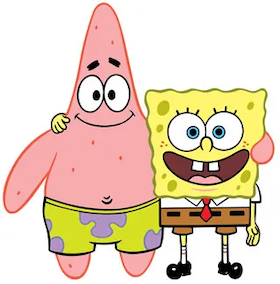
- SpongeBob SquarePants: A beloved, optimistic undersea fry cook.
- Homer Simpson: A flawed but hilarious patriarch from The Simpsons, known for memorable quotes.
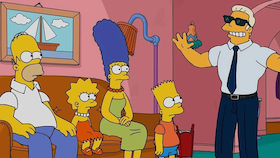
- Mickey Mouse: Disney's timeless mascot, representing happiness and charm.
- Universal icons
- Key reasons Doraemon is a great character:
- Iconic & Beloved: He's considered a cultural icon in Japan, comparable to Mickey Mouse in the West.
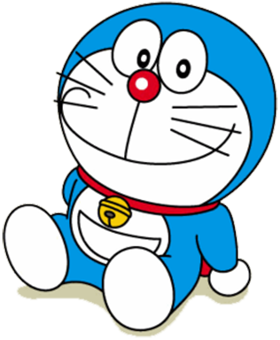
- Relatable & Caring: Despite being a robot, he's caring and puts up with Nobita's flaws, showcasing deep friendship and responsibility.
- Teaches Life Lessons: The series subtly teaches valuable lessons about friendship, innovation, empathy, and the importance of time.
- Enduring Popularity: Over 40 years on air, he remains a top film franchise in Japan and a popular character worldwide, extending to merchandise, theme parks, and collaborations.
- Iconic & Beloved: He's considered a cultural icon in Japan, comparable to Mickey Mouse in the West.
- Pikachu (Pokémon) Pikachu's design is a global icon that successfully appeals to its target audience through simplicity and emotion.
- Simplicity and Memorability: Composed primarily of simple, rounded shapes, Pikachu is easy to draw, remember, and animate, which is a must for a mass-market franchise.
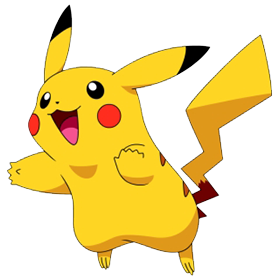
- Color Palette: The bright yellow color is cheerful and energetic, matching its electric powers and generally positive, friendly personality.
- Exaggeration: Exaggerated features like large, expressive eyes and oversized ears enhance its cuteness (a key "positive quality" for likability) and allow for a wide range of clear emotions.
- Simplicity and Memorability: Composed primarily of simple, rounded shapes, Pikachu is easy to draw, remember, and animate, which is a must for a mass-market franchise.