
What makes an animation good?
- Misguided?
The denigrated status of Animation studies is largely due to the belief, held in many countries, that animation is not a “real” art form because it is too popular, too commercialized, or too closely associated with fandom or younger audiences to be taken seriously by scholars.
This perception is misguided. A wide range of animation exists beyond commercial productions and children’s entertainment. Moreover, even commercially produced animation and works intended for children deserve serious academic study.
- Good animation goes beyond visual appeal (looking pretty) ; it effectively communicates its intended message and engages the audience.
- Here are the key factors that make an animation captivating, memorable, and meaningful to its audience.
- Strong storytelling
- Clear Narrative: A compelling story with a beginning, middle, and end that clearly communicates the intended message.
- Engaging Characters: Characters that are relatable, well-developed, and whose emotions and actions resonate with the audience.
- Emotional Resonance: Animation that evokes genuine emotions in the audience, whether it's joy, sadness, excitement, or suspense.
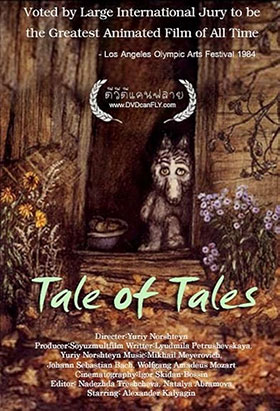
Tale of Tale (1979) byYuri Norstein
- Clear Narrative: A compelling story with a beginning, middle, and end that clearly communicates the intended message.
- Visual design Aesthetics
- Eye-catching visuals, colors, and art style that are appropriate for the story and target audience.
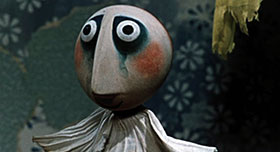
The Hand (1965) by Jiří Trnka
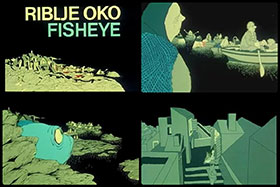
Fisheye (1980) by Joško Marušić
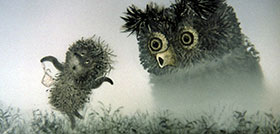
Hedgehog in the Fog (1975) by Yuri Norstein
- Eye-catching visuals, colors, and art style that are appropriate for the story and target audience.
- Clarity and Simplicity
- Avoid overly complex or cluttered visuals
- realistic depiction and representation of reality may detract from the story or make it difficult to follow.
- realistic depiction and representation of reality may detract from the story or make it difficult to follow.
- Consistency:
- Maintaining a consistent visual style, character design, and overall aesthetic throughout the animation.
- Maintaining a consistent visual style, character design, and overall aesthetic throughout the animation.
- Avoid overly complex or cluttered visuals
- Technical execution
- Smoothness and Fluidity:
- Well-executed movements without visible glitches or awkwardness, although jerky movements are sometimes used intentionally to achieve a particular visual style.
Imperfection often makes things interesting. Too much perfection leaves no room for character. Flawless doesn't mean fascinating.
- Well-executed movements without visible glitches or awkwardness, although jerky movements are sometimes used intentionally to achieve a particular visual style.
- Professionalism:
- High production values, attention to detail, and a polished final product.
- High production values, attention to detail, and a polished final product.
- Smoothness and Fluidity:
- Strong storytelling
- Sound design
- Emotional Tone:
- Using music and sound effects to establish and enhance the mood and emotional impact of the animation.
- Using music and sound effects to establish and enhance the mood and emotional impact of the animation.
- Believability and Immersion:
- Creating believable or stylized soundscapes that contribute to the feeling that the animated world is real and immersive.
- Creating believable or stylized soundscapes that contribute to the feeling that the animated world is real and immersive.
- Emotional Tone:
- Timing and Synchronization:
- Ensuring sounds are perfectly synchronized with the visuals to maximize impact and avoid jarring disruptions.
- Ensuring sounds are perfectly synchronized with the visuals to maximize impact and avoid jarring disruptions.
- Dialogue and Voice Acting:
- High-quality voice acting that brings characters to life and clear, natural-sounding dialogue.