 |
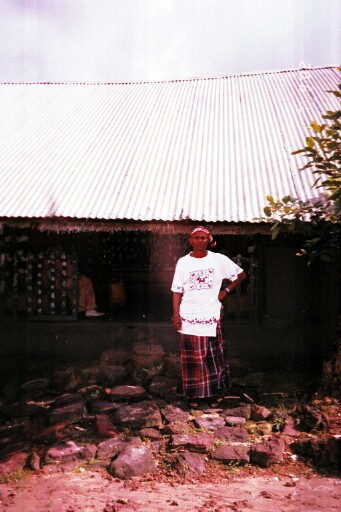
| Our project driver and escort |
House Museum
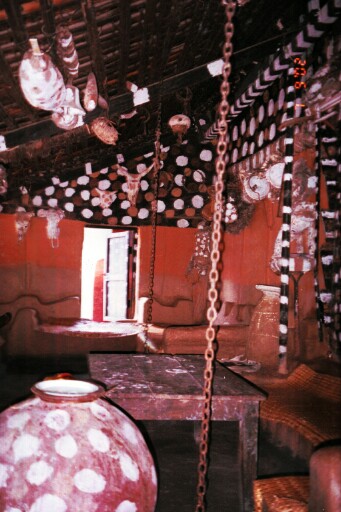
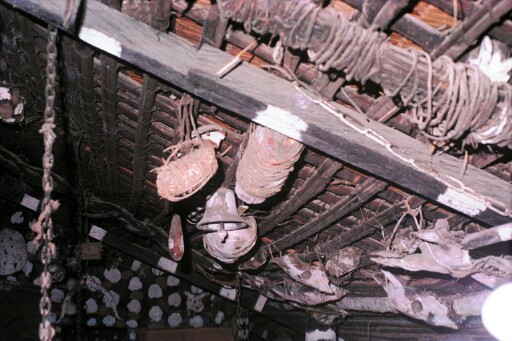
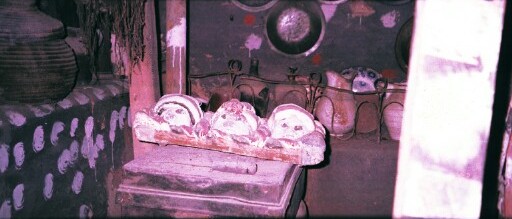
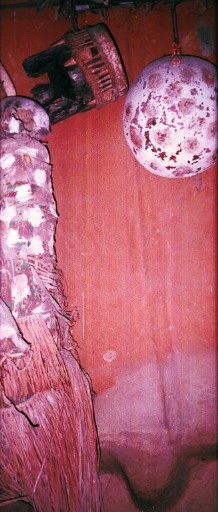
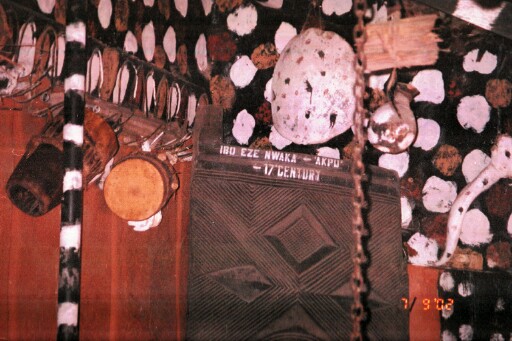
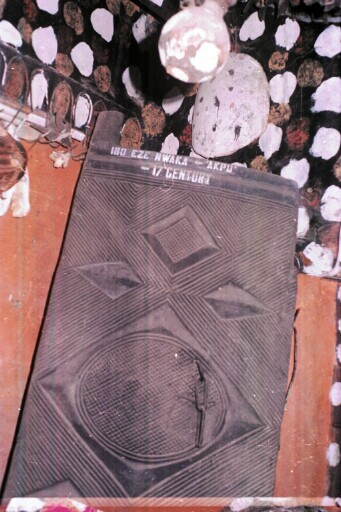
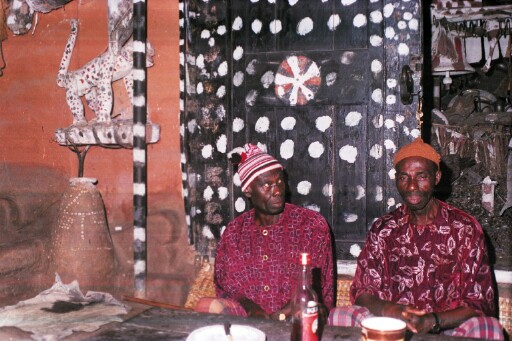
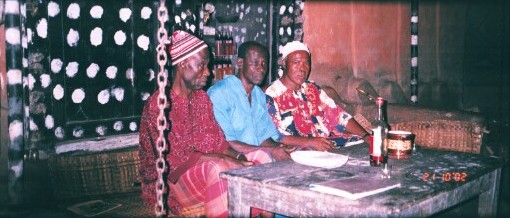
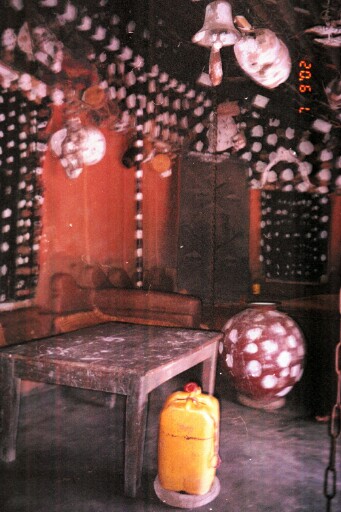
| The following are pictures of the House Museum of Okoro Oji in Ujari. Visitors come here to see the vestiges of slavery and the material culture of the slave trade. |
|
| Our project driver and escort |
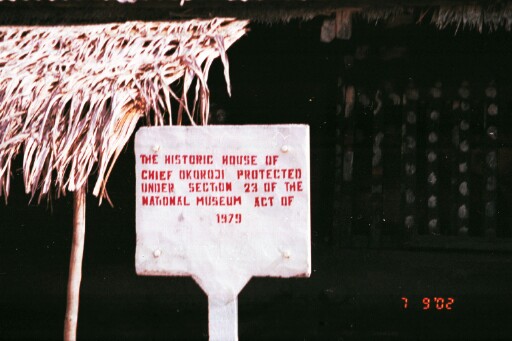 |
| The historical marker of the Ulo Nta Okoro Oji in Ujari |
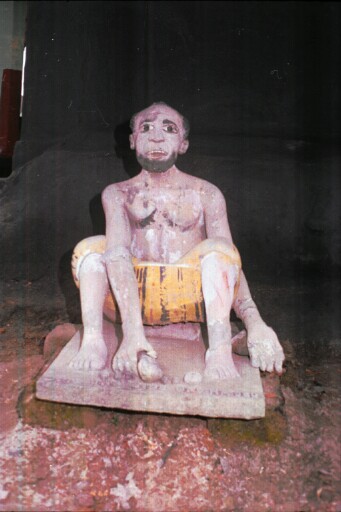 |
| A figure in the front yard of Ulo Nta Okoro Oji |
 |
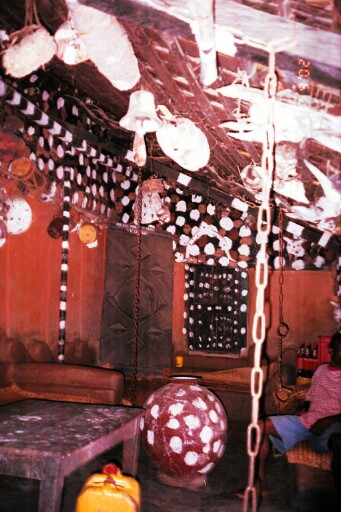 |
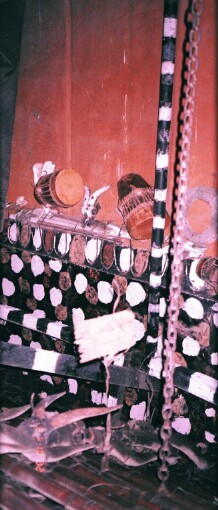
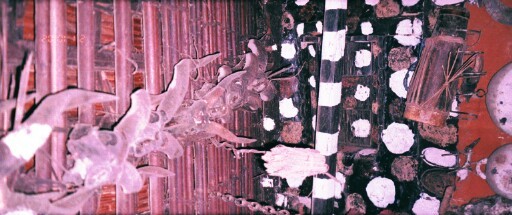
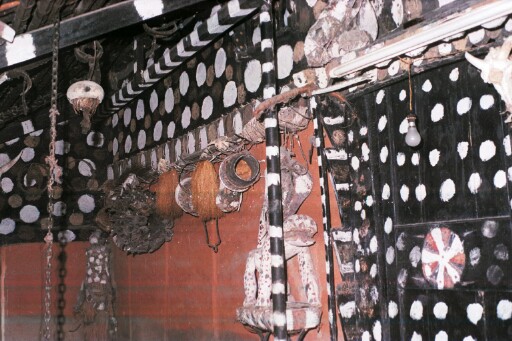
| One can see chains, a drum,
animal skulls, and other relics of the
slave trade in these pictures. |
 |
 |
 |
 |
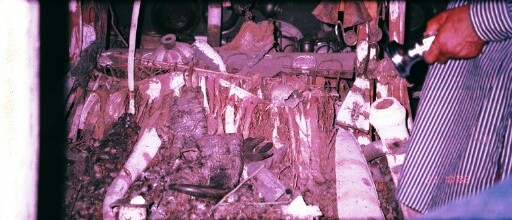 |
| The House Museum is home to many sacred shrine objects. |
 |
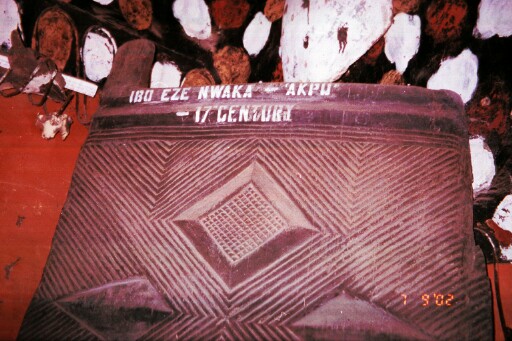 |
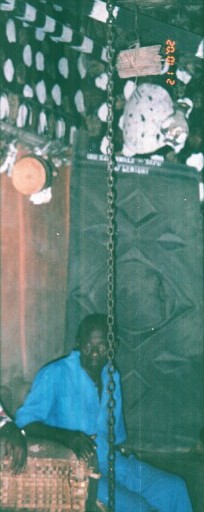
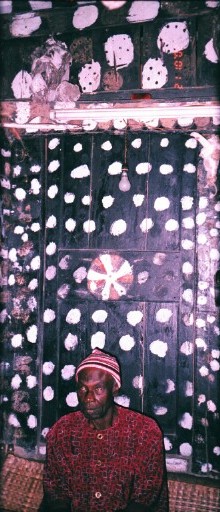
| A 17th-Century entrance door inside the House Museum of Slave Trade |
 |
 |
 |
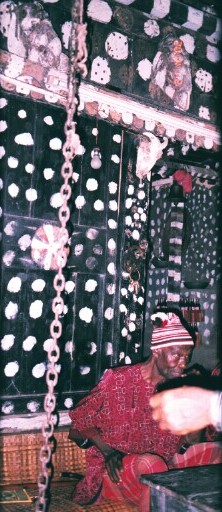 |
| Descendants of Okoro Oji sitting in the House Museum of Slave Trade |
 |
 |
 |
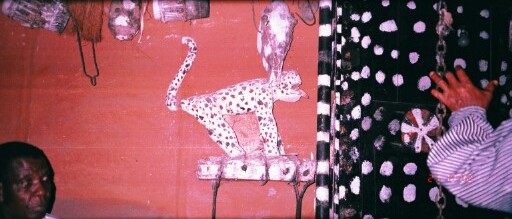 |
| A carved leopard and other shrine objects |
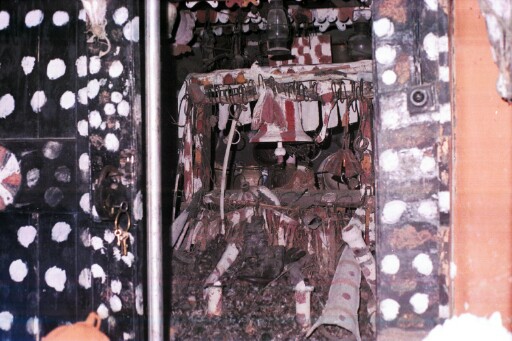 |
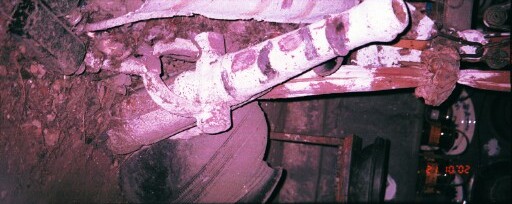
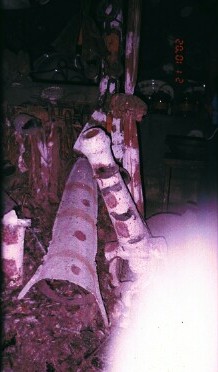
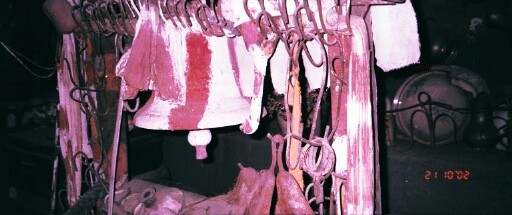
| Gongs, bells, canons, bell costumes, and other items of material culture |
 |
 |
 |
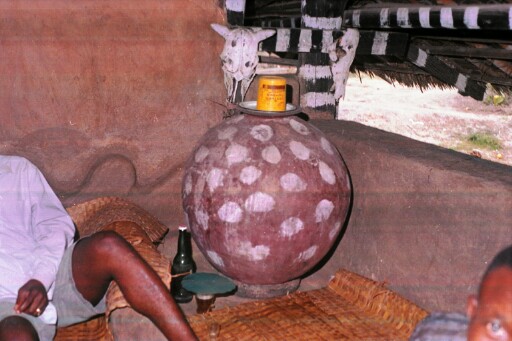 |
| A large earthen ritual pot |
 |
 |
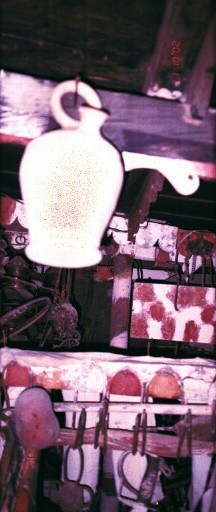 |
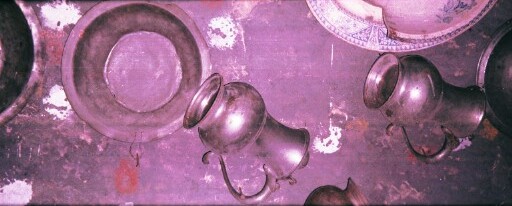
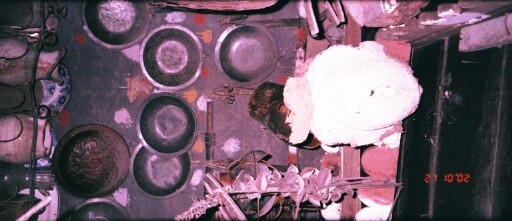
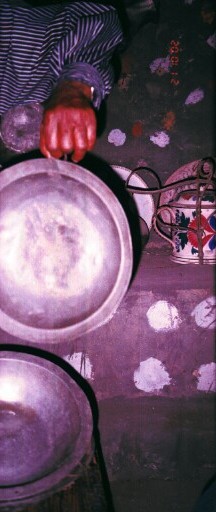
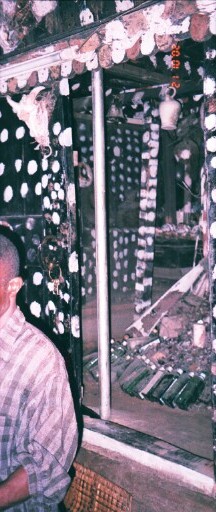
| More items of material culture, including silver wares, jars, relics, and bottles |
 |
 |
 |
 |
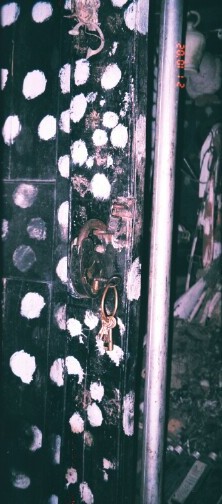 |
| A large padlock and key |
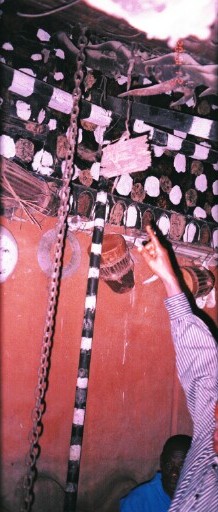 |
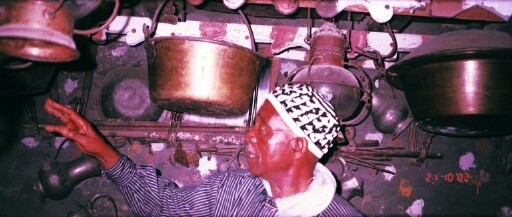
| Some pictures of our narrator |
 |
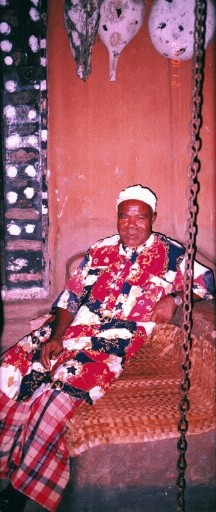 |
| One of the chiefs sitting in the Ulo Nta Okoro Oji |
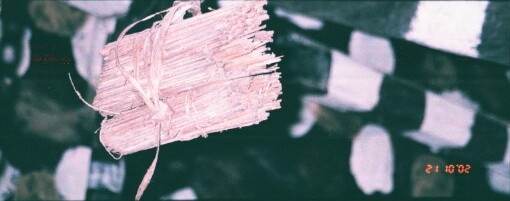 |
| Counters with which Maazi Okoro Oji kept account of his debtors |
| Back to Arochukwu Page |